There’s a subtle sense of imbalance that appears when a carpet is the wrong size. You may not notice it immediately, but something feels slightly incomplete. The room looks almost right, yet not fully composed. Often, the missing piece lies right under your feet.
At Ramsha Carpets, we’ve observed this in beautifully designed homes—carefully chosen furniture, well-planned lighting, and yet a carpet that feels too small, floating without purpose.
Choosing the right carpet size is not just a technical step. It’s a design decision. A well-thought-out carpet size guide helps everything come together naturally.
Why Carpet Size Matters in Interior Design
Carpets do more than cover floors—they influence how a space feels and functions. The right size helps anchor furniture, define layouts, and create visual harmony.
A poorly sized carpet can make even a well-decorated room feel disconnected. On the other hand, the correct proportions bring balance, structure, and a sense of completeness to the space.
Living Room: Creating a Cohesive Layout
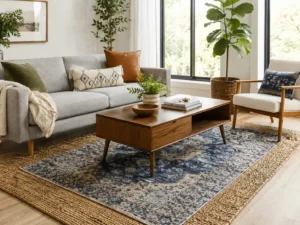
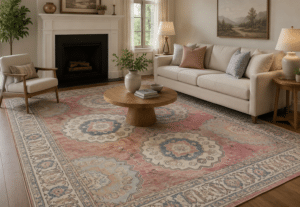
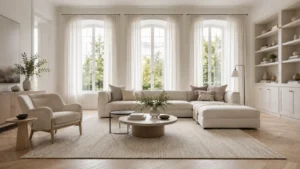
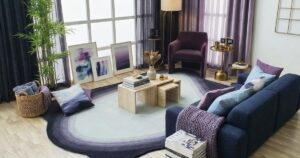
The living room is the heart of the home, where people gather and interact. One of the most common mistakes is choosing a rug that is too small.
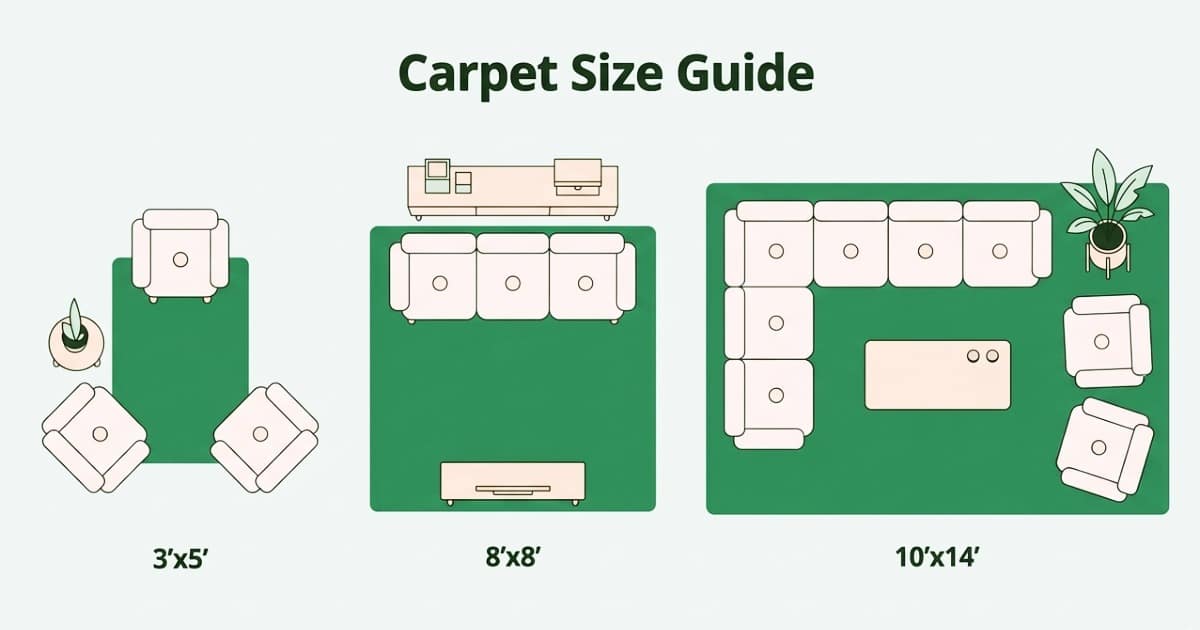
An effective carpet size guide for living rooms suggests selecting a rug that:
- Fits under all main furniture pieces, or
- At least supports the front legs of sofas and chairs
This approach helps unify the seating area into a single, cohesive zone. Even partial placement can create a structured and visually connected layout.
Dining Room: Allowing Space for Movement
Dining areas require flexibility. Chairs are frequently moved in and out, so the carpet must accommodate this motion.
A properly sized carpet should extend beyond the dining table so that chairs remain fully on the rug even when pulled out.
This ensures both functionality and visual balance, while also framing the dining space in a subtle and elegant way.
Bedrooms: Comfort and Personal Preference
Bedrooms offer more flexibility when it comes to carpet placement.
Some prefer a large carpet that sits entirely under the bed, extending outward on all sides to create a luxurious, hotel-like feel. Others choose smaller rugs or runners placed beside or partially under the bed for a lighter, more relaxed approach.
The right choice depends on personal comfort and how the space is intended to feel each day.
Hallways: Making Transitional Spaces Count
Hallways are often overlooked, but they can benefit greatly from well-sized runners.
When selecting a hallway carpet:
- Leave space on both sides for balance
- Avoid overly narrow or wall-to-wall placements
- Ensure the runner aligns with the proportions of the space
A properly sized runner brings structure and refinement to transitional areas.
Open-Plan Spaces: Defining Zones with Carpets
In open layouts, carpets play an important role in defining different functional areas.
A larger carpet can anchor the living space, while another can define the dining area. These placements act as subtle visual boundaries without interrupting flow.
This approach allows each zone to feel distinct while maintaining overall cohesion.
Is Bigger Always Better?
A common question in any carpet size guide is whether larger carpets are preferable.
In most cases, oversized carpets enhance the sense of space and make interiors feel more intentional. Smaller rugs, however, can appear disconnected and may disrupt visual balance.
When unsure between two sizes, choosing the larger option is often the safer and more effective design choice.
How Carpet Size Interacts with the Whole Room
Carpet size doesn’t exist in isolation. It works in harmony with furniture scale, ceiling height, and natural light.
A well-sized carpet grounds the room, ties elements together, and enhances the overall composition. It contributes to a space that feels comfortable, balanced, and lived in.
Final Thoughts
Carpets are not just decorative elements—they are foundational to how a room feels and functions.
Following a thoughtful carpet size guide ensures that every space in your home achieves balance and visual harmony. When proportions are right, everything else naturally falls into place.
Because in the end, carpets are meant to belong—not just fill a space, but complete it.
For more information: Click Here